Japan’s Sacred Okunoin Cemetery
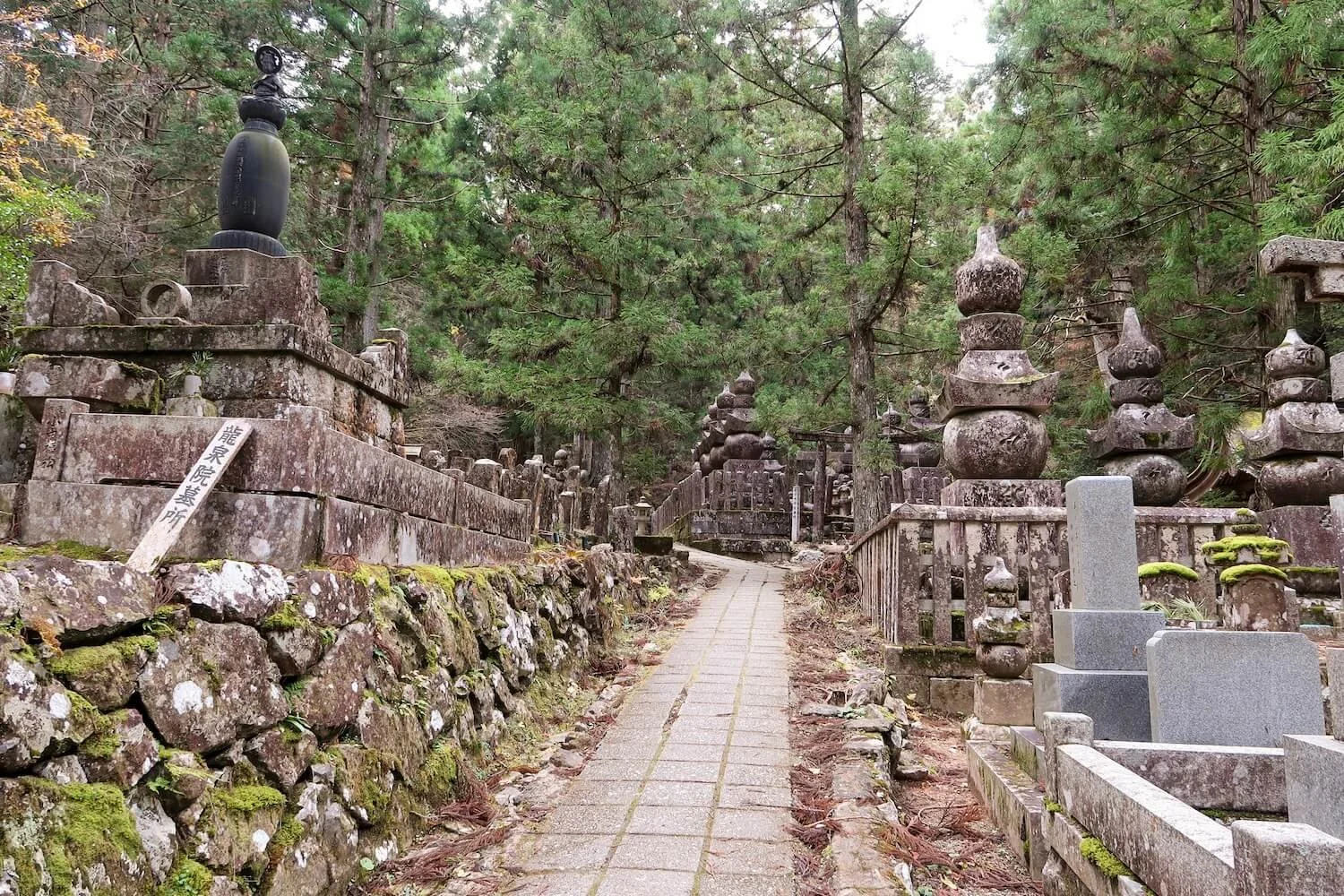
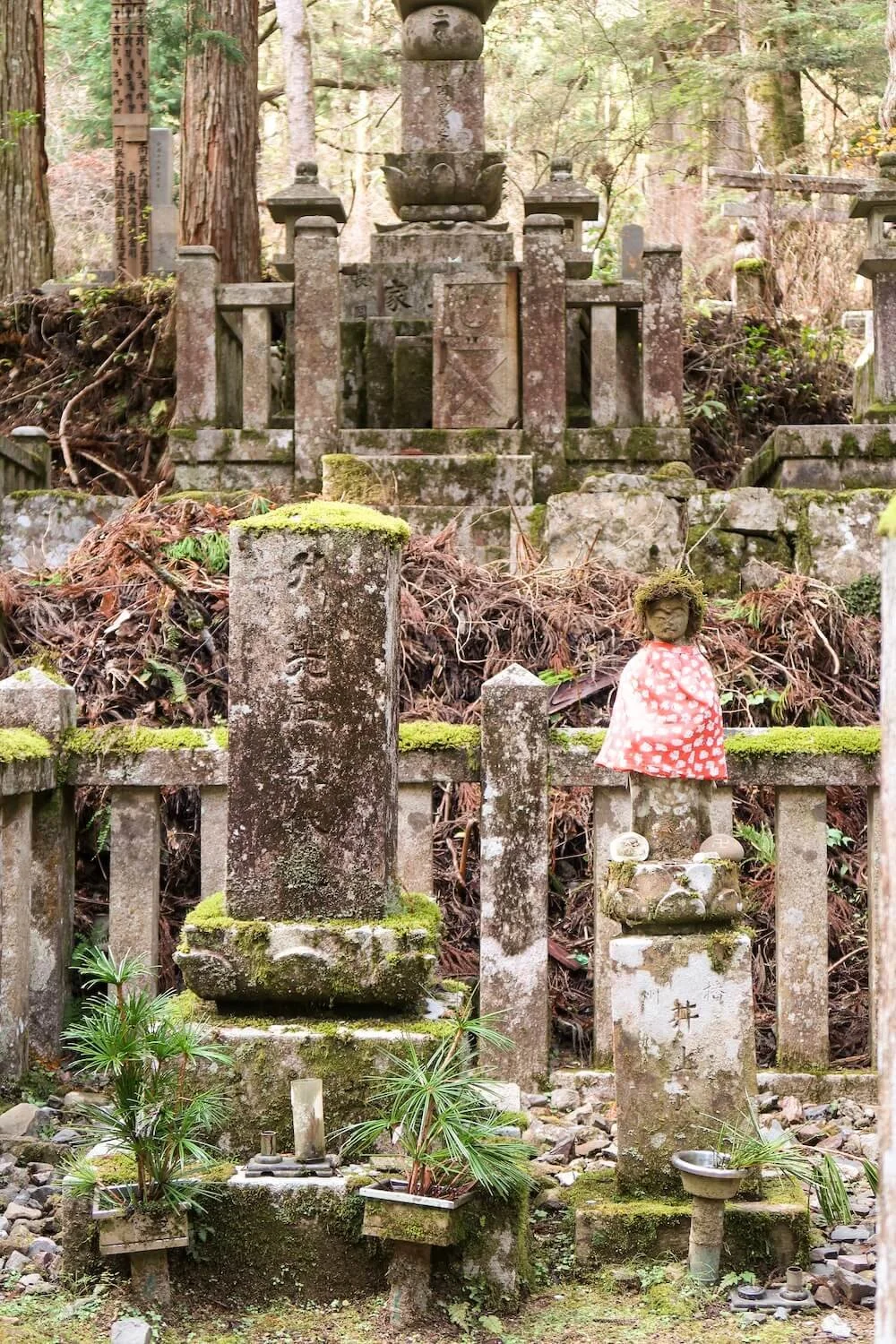
The first thing I noticed when I stepped into Okunoin Cemetery was the smell of moss; earthy, green, and alive. We visited the cemetery on a rainy day—everything we did was accompanied by a light drizzle. The towering cedars, some up to 1,200 years old, protected us from the rain and filtered speckled light onto the forest floor. A beautiful, damp green layer coated the fallen branches and crumbling tombstones.
Under Shingon Buddhist beliefs, there are no dead here. Only waiting spirits. This knowledge adds to the eerie beauty of the cemetery.
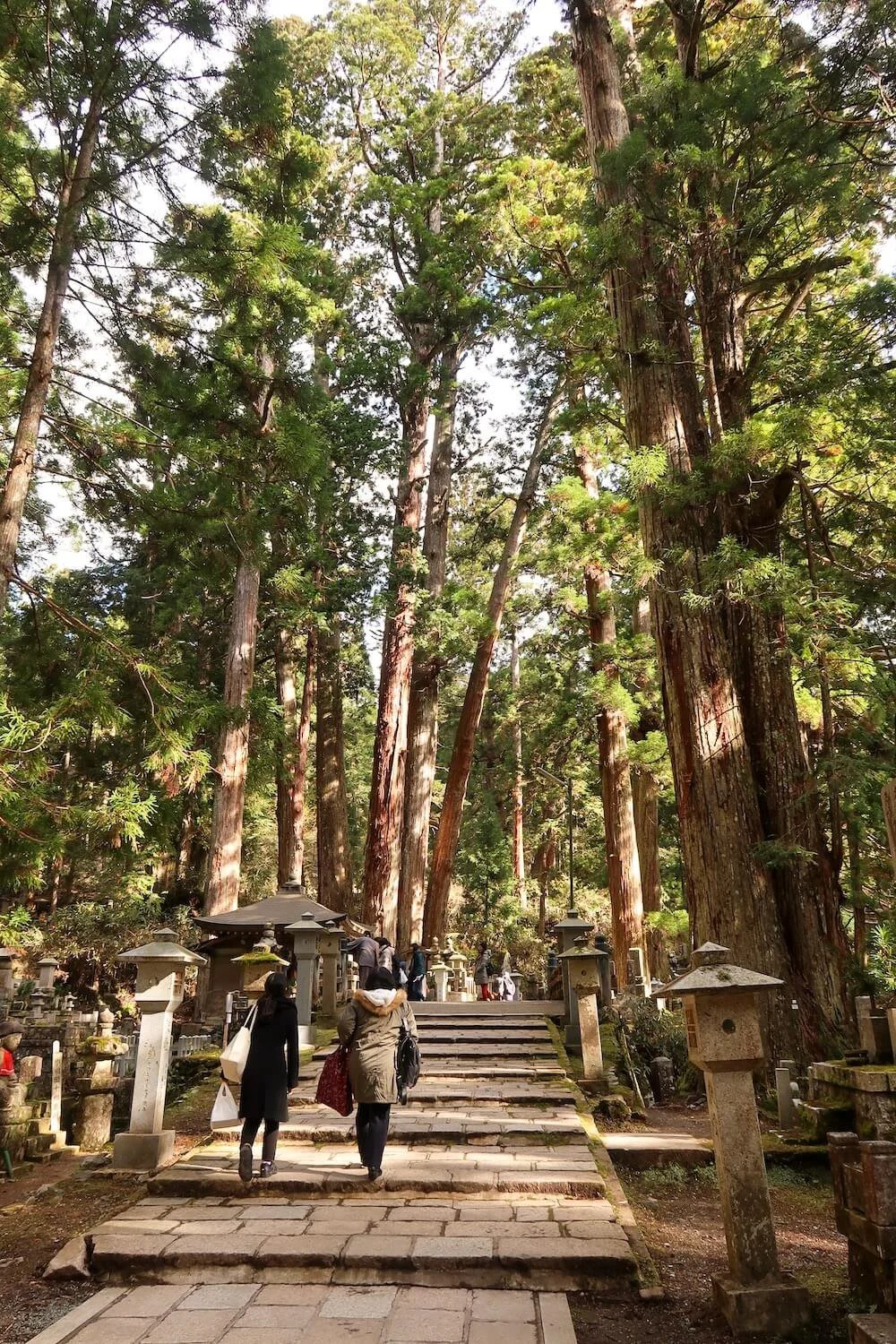
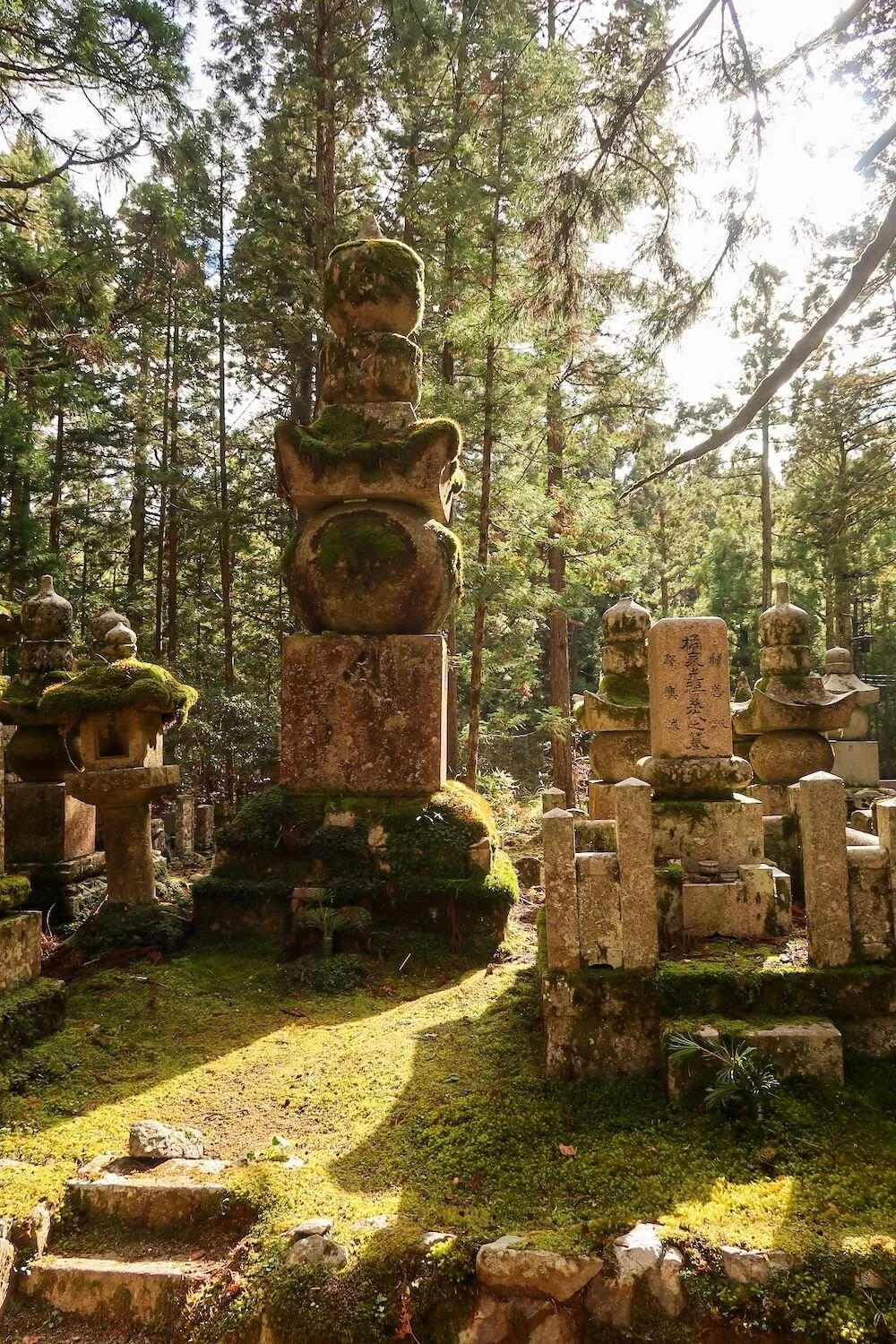
Every once in a while, we came across a headstone with a small sign, explaining the historical significance. A notable monk here, a feudal lord there. These graves were worn by time, on their way to rejoining the earth.
Those buried here in Japan’s largest graveyard want to be close to Kōbō Daishi, the founder of Shingon Buddhism. It’s believed Kōbō Daishi rests in his mausoleum at the heart of the Cemetery, in a state of eternal meditation.
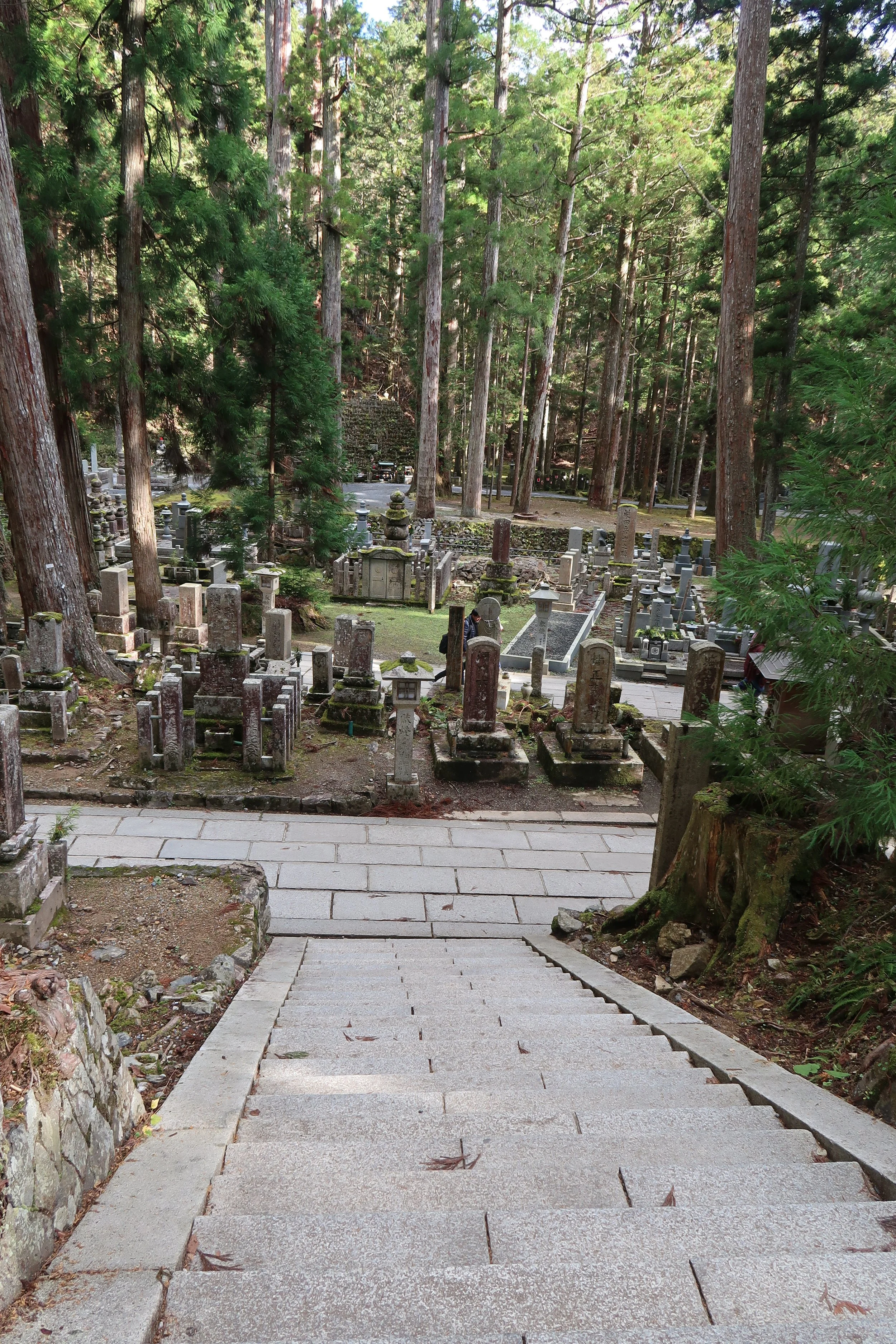
It’s best to start your walk through Okunoin Cemetery at Ichinohashi bridge, the main entrance. At the start of the bridge, it is customary to bow before crossing this threshold.
Ichinohashi bridge is the more traditional pathway to the mausoleum. There is another entrance with newer tombstones and memorials. Many of the memorials here are very modern looking; some are owned by corporations. Although this section looks less historical than the rest, it still holds great significance to those resting there.
After walking through the cemetery, the Gobyō-bashi Bridge marks the entrance to Kobo Daishi’s Mausoleum. Again, visitors should bow in respect before crossing the bridge.
The gateway to the Mausoleum, Torodo Hall (the Hall of Lamps), contains over 10,000 lanterns donated by worshippers. Walking through is an otherworldly experience. A warm glow and tendrils of smoke fill the hall. The lanterns line the walls from floor to ceiling, and the hall smells strongly of incense.
Beyond the Hall is Kōbō Daishi’s Mausoleum. Visitors come from around the country to pray here, and there are often pilgrims chanting sutras nearby.
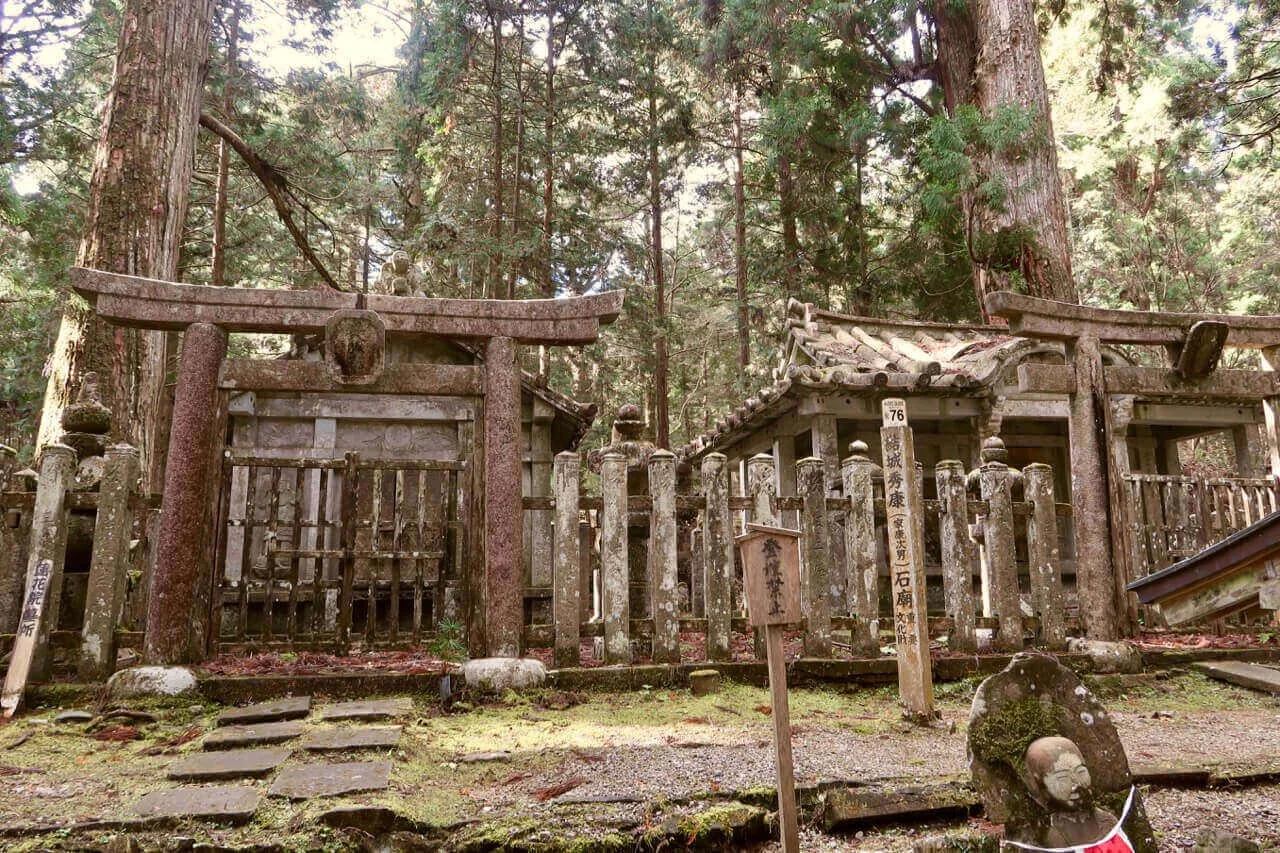
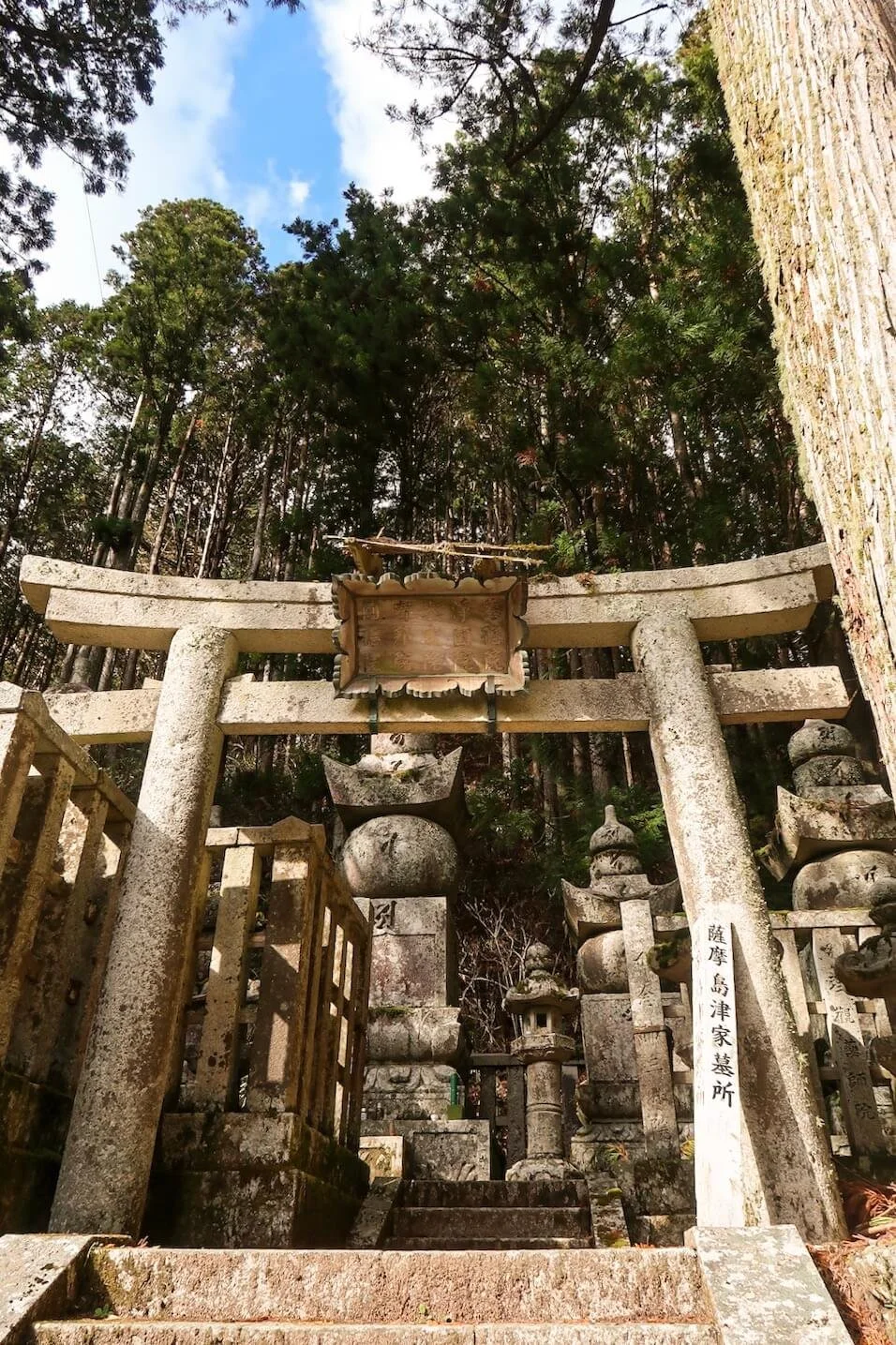
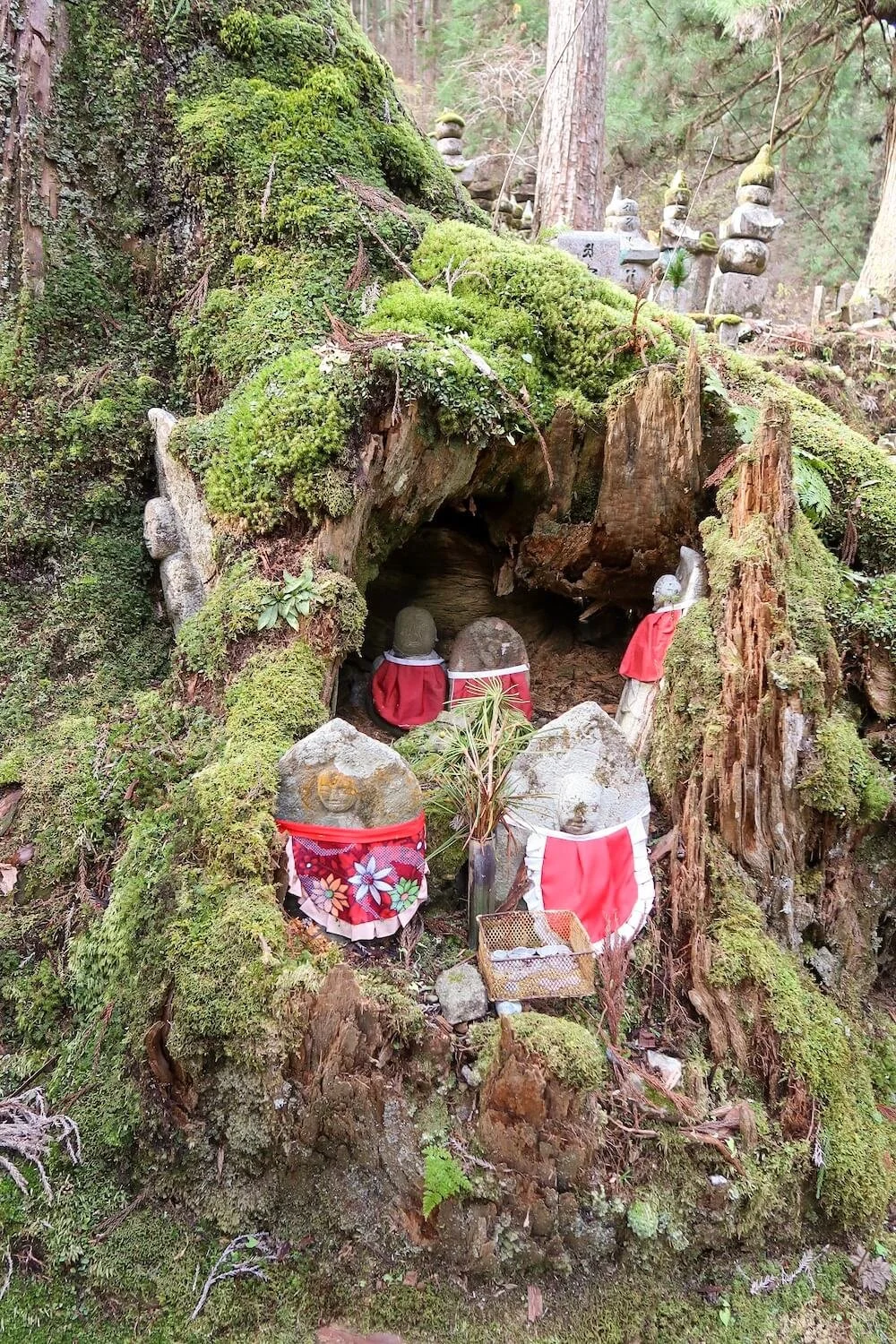
Visit during the day, and it’s lush and green. At night, there’s an otherworldly but serene glow to the area as the path is lit up with lanterns.
The most beautiful part of the cemetery is the carpet of moss that blankets its 200,000 grave stones and tombs. It’s an outwardly symbolic representation of where we go after death: back to the earth.
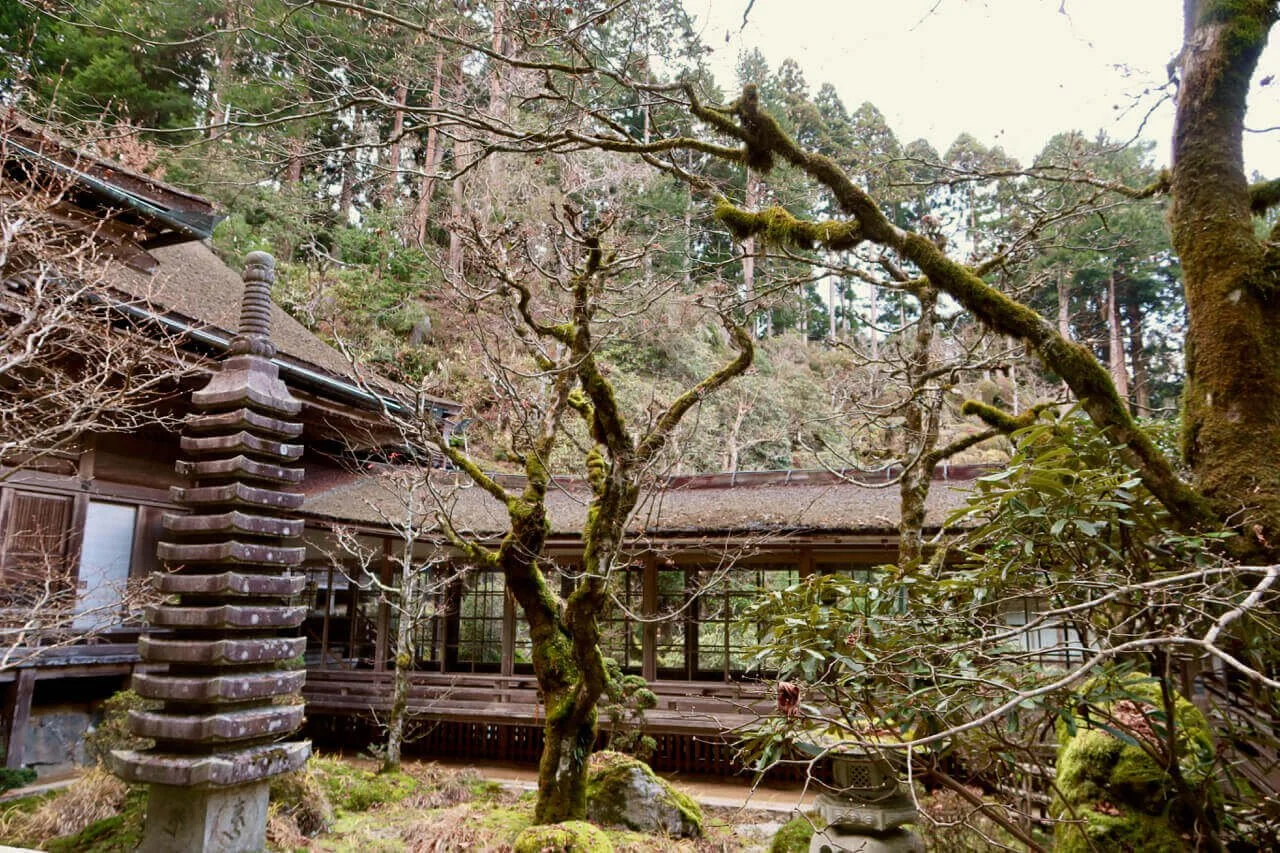
The history of Okunoin cemetery deeply fascinates me. There’s something sacred about visiting cemeteries. It's a privilege to bear witness to a life lived and ended, and acknowledge that each headstone is a real person. Each person here, over centuries, lived a lifetime of decisions and beliefs, and chose their burial place here. And forever they will rest, in sacred Okunoin Cemetery.
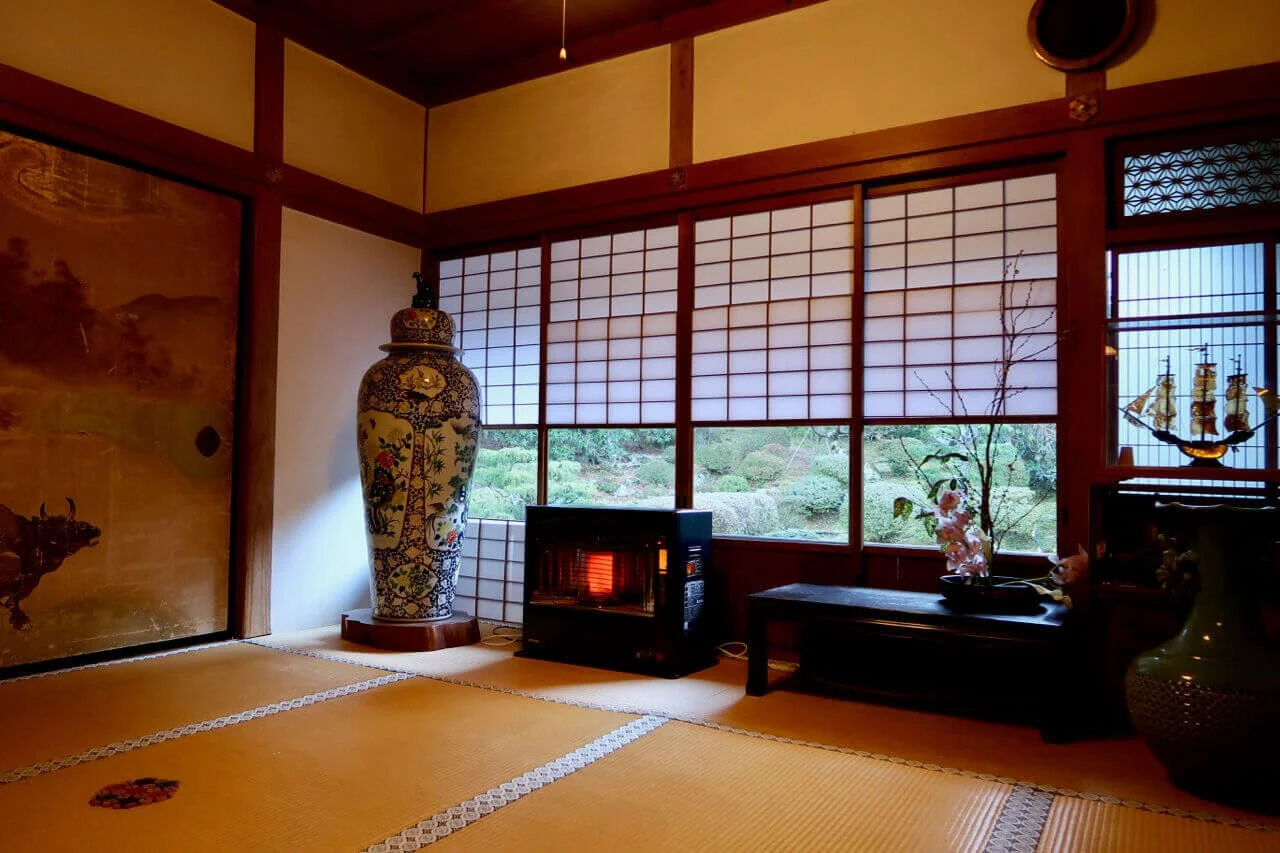
Koyasan is an excellent location for a temple stay. We stayed in Eko-in Temple